This is a summary of a talk ‘Perilous Lives – Public Health in Victorian Chichester’.given by Richard Childs on 14 October.
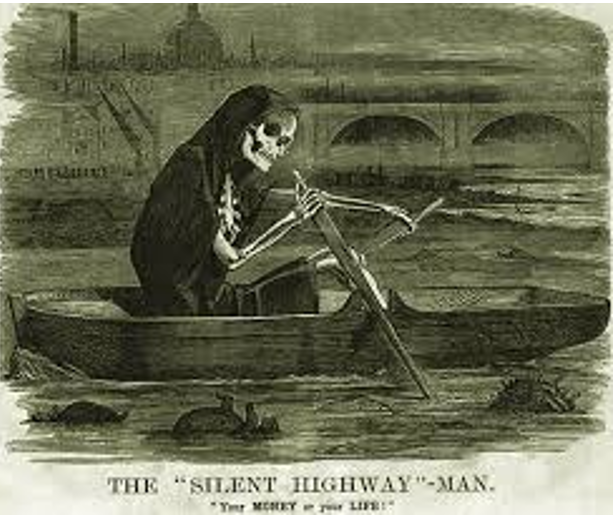
Richard started his talk by reviewing the state of public health in England in the nineteenth century and the many deadly diseases that were prevalent at the time. He then spoke about moves to mitigate the problems and the work of Sir Edwin Chadwick to improve things through public health legislation and the establishing of Medical Officers of Health across the country.
He then reviewed the state of public health in Chichester, which for a small city in a rural area with just over 8,000 population, lagged behind other areas in public health provision. Chichester had three main problems: the fortnightly livestock market, the lack of a piped water system and the lack of a sewerage system.
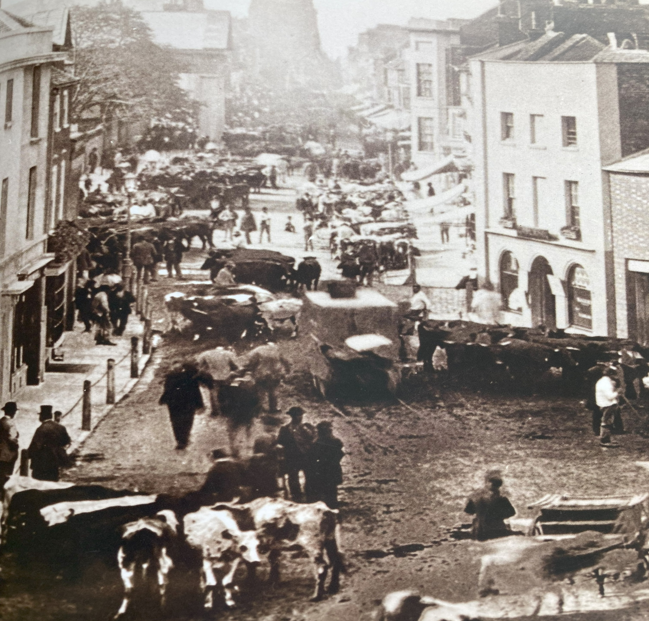
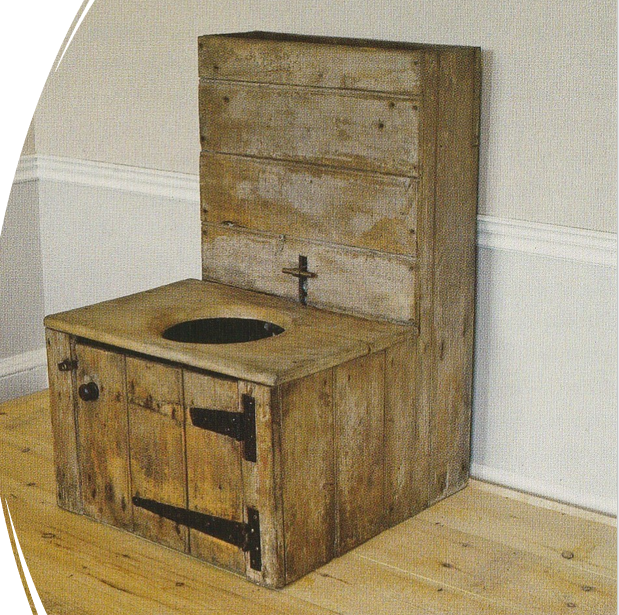
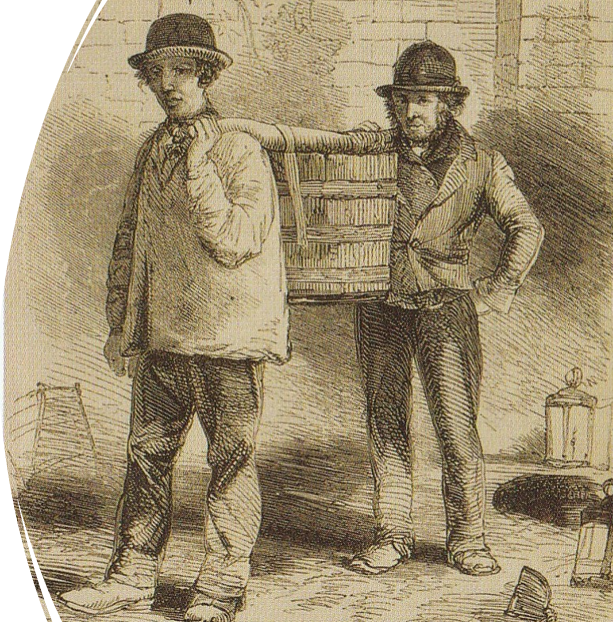
Each of these problems needed to be remedied but the City Council often denied there was a problem and was slow to act. Richard also detailed the notorious typhoid outbreak of 1879 which was due to milk contaminated by water from a well supplied by the River Lavant which caused six deaths.
The market was eventually moved from East and North Streets in 1871. A piped water system started in 1875, and a drainage system started to be built in 1893.
All these improvements could have been achieved much earlier had it not been for the City Council whose prime motivation was to spend as little as possible to keep the local rates low*.
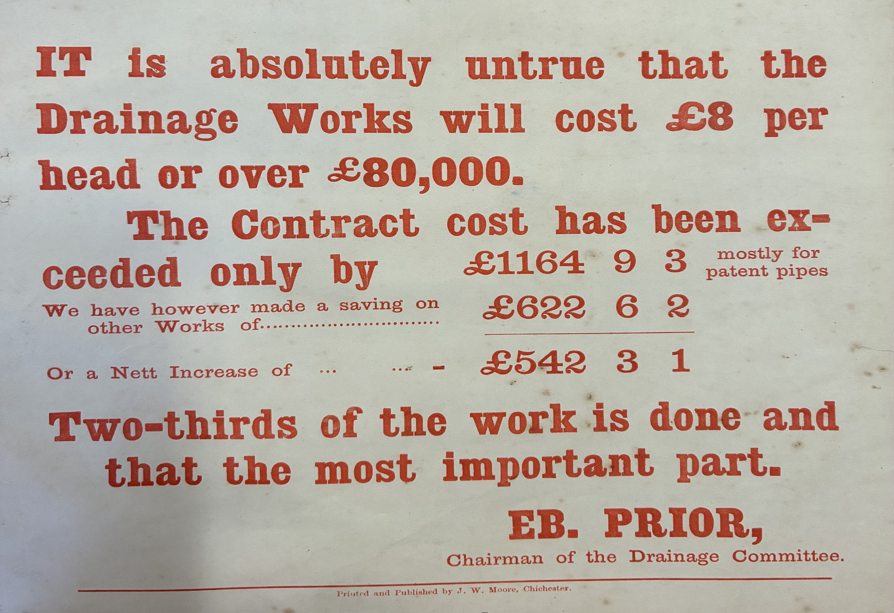
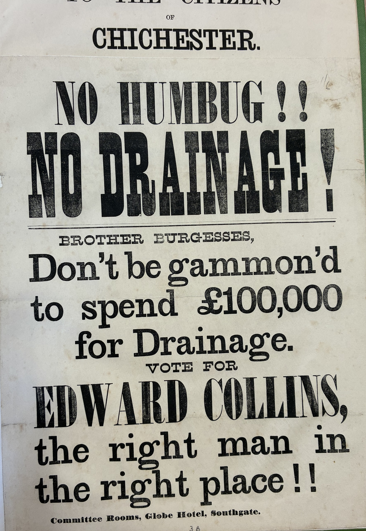
- For more information about the activities of The Anti-Drainage Party see here